
When Many Choices Still Do Not Feel Like Choice

We often believe that more options automatically create more freedom. Yet psychology tells a different story. In this article, I explore why too many choices can create uncertainty, inaction, and fragmentation, and why meaningful choice requires not only options, but also clarity, direction, and a sense of agency.
EQ is not enough. I propose we start talking about EM
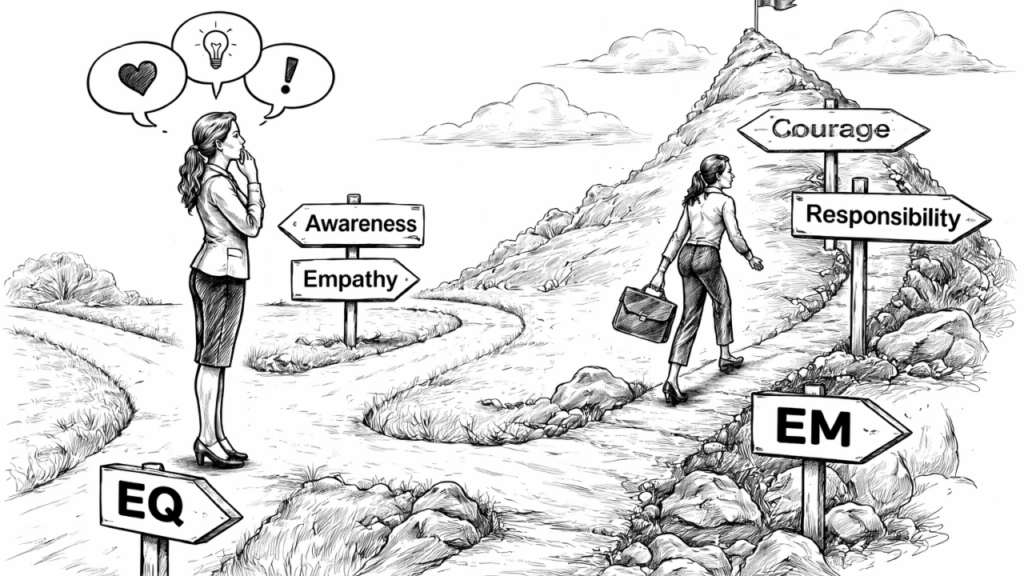
Emotional intelligence has become a standard in leadership development, but it is no longer enough. In my work, I see leaders who understand emotions well, yet still avoid the decisions that matter. This article introduces emotional maturity as a deeper leadership capacity – the ability to stay with reality, carry its emotional cost, and act consciously.
Before You Decide, Ask This One Question
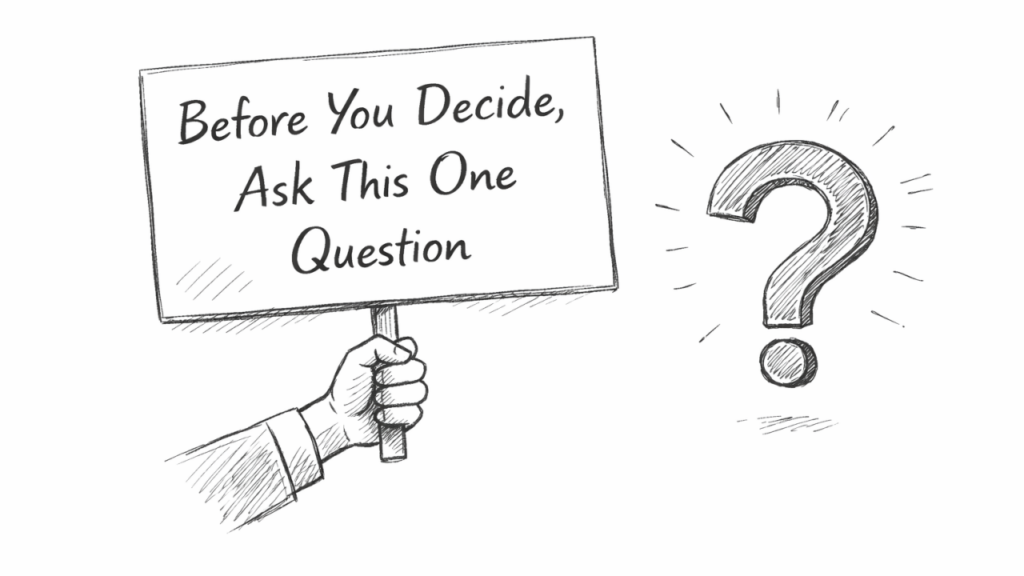
In leadership, the biggest cost rarely comes from bad intentions – it comes from misdiagnosing the situation. In this article, I explore how distinguishing between simple, complicated, complex, and chaotic realities can transform decision-making. Sometimes the most powerful leadership move is not acting faster, but understanding what you are truly facing.
Small Talks About Big Work Myths
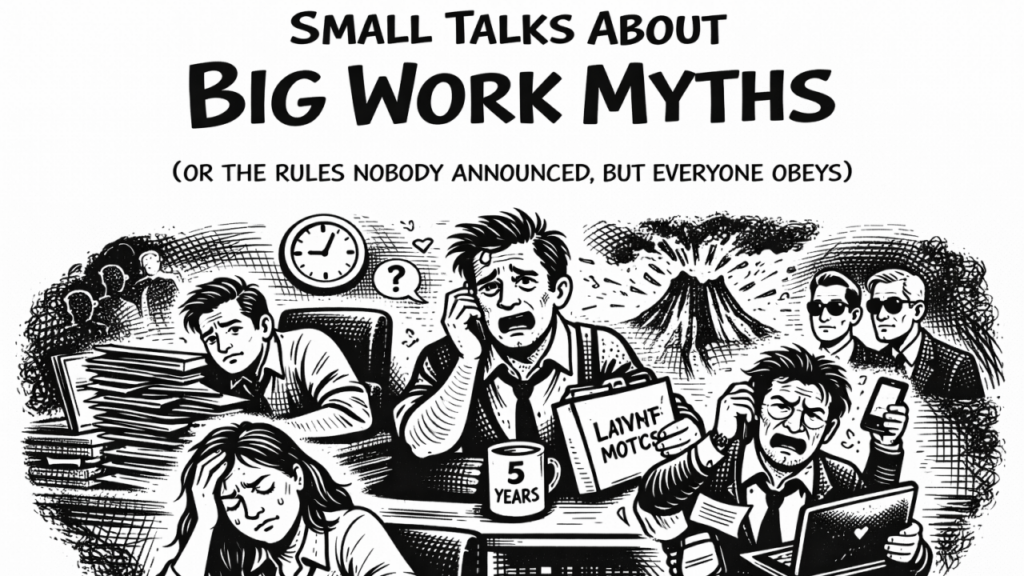
In many careers, we stop asking whether something makes sense and start asking whether it is normal. This article explores the workplace myths we quietly obey – about hard work, loyalty, productivity, and conflict – and the hidden costs they carry over time. Real growth begins when we stop normalizing discomfort and start questioning what it is costing us.
Why Conferences Develop Us More Than Trainings
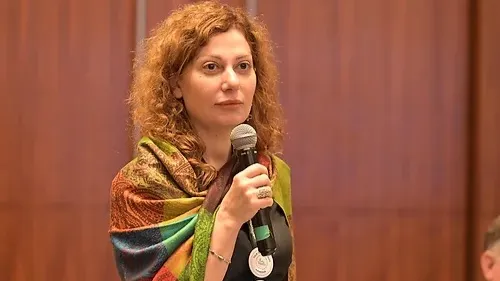
After three months of events across Dubai, Brussels, and MELA, one thing became clear—conferences and professional communities shift us more than structured training ever could. In this reflection, I share why the energy, people, and unexpected magic of real gatherings change not just what we know, but how we think and who we become.
What Nature Knows (and you can learn)

Nature does not strive for perfection. It builds around weaknesses by amplifying strengths. In this article, I explore how people, animals, and companies grow through compensatory mechanisms—those invisible superpowers that drive survival and success when things are far from ideal. This is the strategy of nature, and it works in organizations too.
Five levels of listening (from noise to connection)
After decades of working across boardrooms, classrooms, and coaching rooms, I have learned this: how we listen defines how we lead, connect, and live. In this article, I share the five levels of listening I’ve seen – and practiced – which shape not only our relationships, but also the depth of our presence.