
What Nature Knows (and you can learn)
Nature does not strive for perfection. It builds around weaknesses by amplifying strengths. In this article, I explore how people, animals, and companies grow through compensatory mechanisms—those invisible superpowers that drive survival and success when things are far from ideal. This is the strategy of nature, and it works in organizations too.
LOGICAL LEVELS: The Most Honest Team Diagnostic
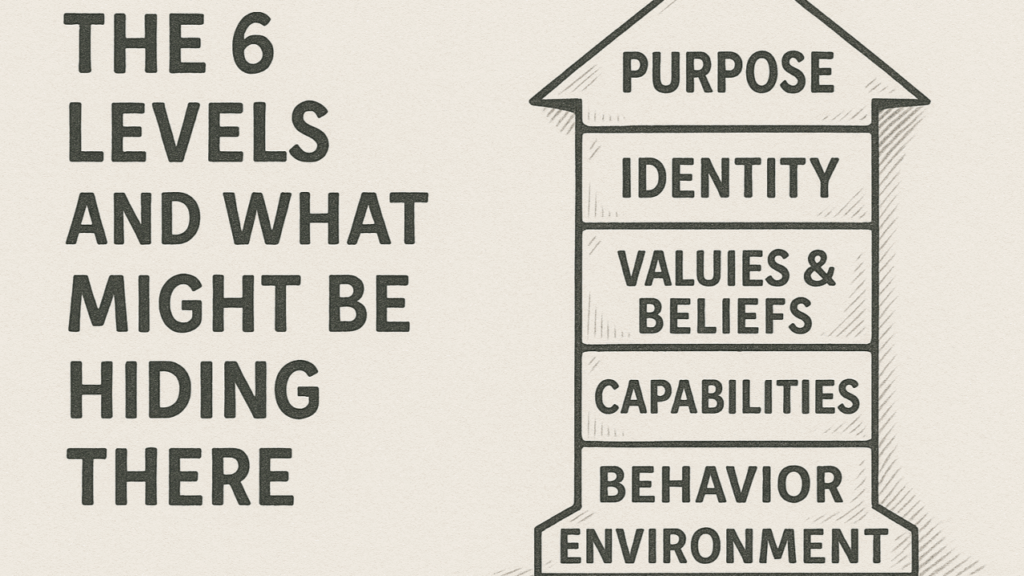
You can update the strategy, restructure the teams, even rebrand your values—but if the real issue sits deeper, nothing changes. In this article, I share why the Logical Levels model has become one of my go-to tools for diagnosing the true source of team misalignment, low energy, or culture drift. It helps uncover what spreadsheets miss—and why some fixes never stick.
People as the Operating system
The more I work with organizations, the more I believe that systems do not run companies – people do. In this reflection, I share why shifting from “cascade down” to “cascade up” strategy creates more aligned, adaptive, and resilient workplaces. When we scale people, not just tools, everything changes.
HR trends or just copy-paste?
Across boardrooms, HR decks, and trend reports, we hear the same polished phrases. But do they still hold meaning – or are we repeating without reflection? In this piece, I break down 19 commonly used HR terms and the deeper questions we should be asking before applying them blindly. HR is not a script – it is a strategy grounded in truth.
Five levels of listening (from noise to connection)
After decades of working across boardrooms, classrooms, and coaching rooms, I have learned this: how we listen defines how we lead, connect, and live. In this article, I share the five levels of listening I’ve seen – and practiced – which shape not only our relationships, but also the depth of our presence.
If you want to work with youth, stop talking and start co-creating
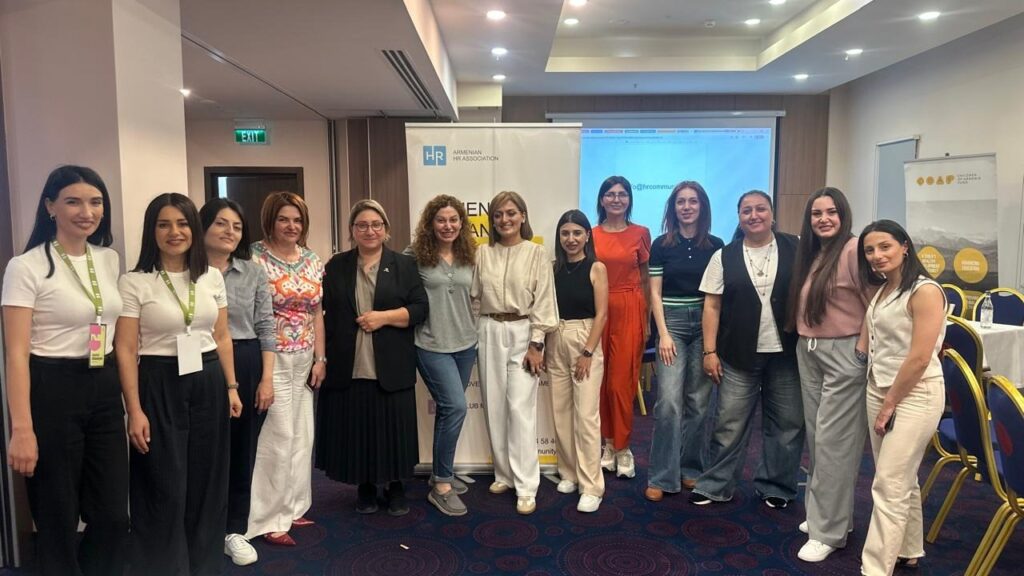
Today, I stood with over 100 young people – and instead of speaking at them, we created something together. This experience reminded me that youth development is not about delivering advice, but co-creating spaces of trust, reflection, and shared growth. It is not our expertise they need most – it is our presence.
Spiral dynamics in practice: What I look for and what I do
Spiral Dynamics is one of my most-used frameworks – quietly guiding how I observe, assess, and adapt inside organizations. In this article, I share how I use it in practice: not to label, but to listen, read the energy in the room, and help teams move one honest step forward.
The Snowball effect of community: Growing a professional network with vision and human touch
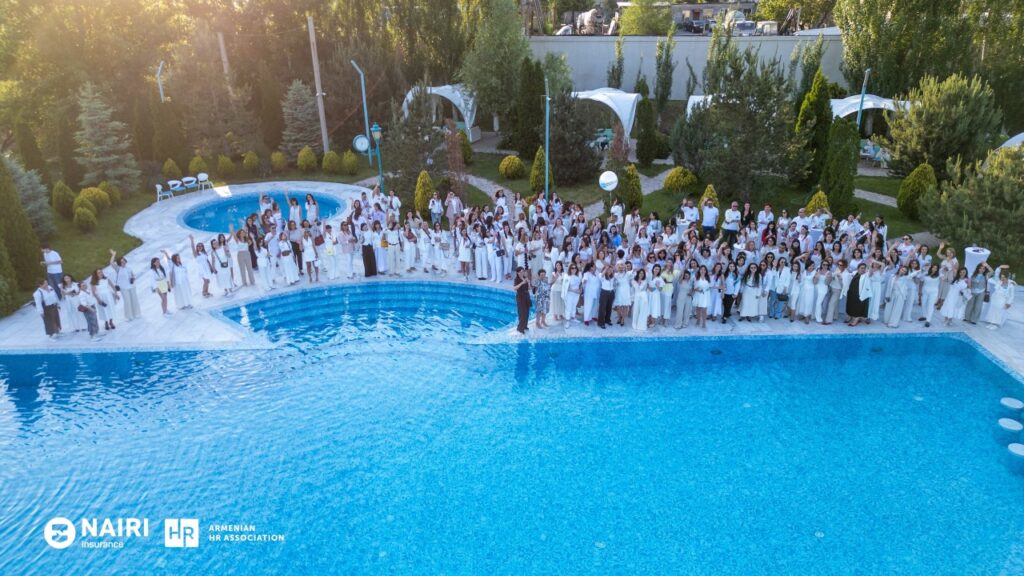
On May 19, we marked 15 years of the Armenian HR Association – a journey that began with a bold idea and grew into a powerful movement. In this reflection, I share the invisible architecture of community: the vision, rituals, identity, and care that turn scattered professionals into a united force for impact.
Beautiful systems, Wrong timing: HR’s role in strategic readiness
As someone who has supported organizations through high-speed transformations, I have seen what happens when HR systems are rolled out in confusion. In this piece, I share a candid look at why timing, honesty, and strategic alignment matter more than perfect frameworks. HR does not lead change through forms – it leads by reading the room and responding with courage.
How cross-cultural experience rewires your brain and unlocks innovation
Facilitating leadership programs across cultures has changed how I think, lead, and connect with people. In this article, I reflect on how cross-cultural experiences reshape our minds, deepen empathy, and fuel innovation – supported by science and real-world insight.
