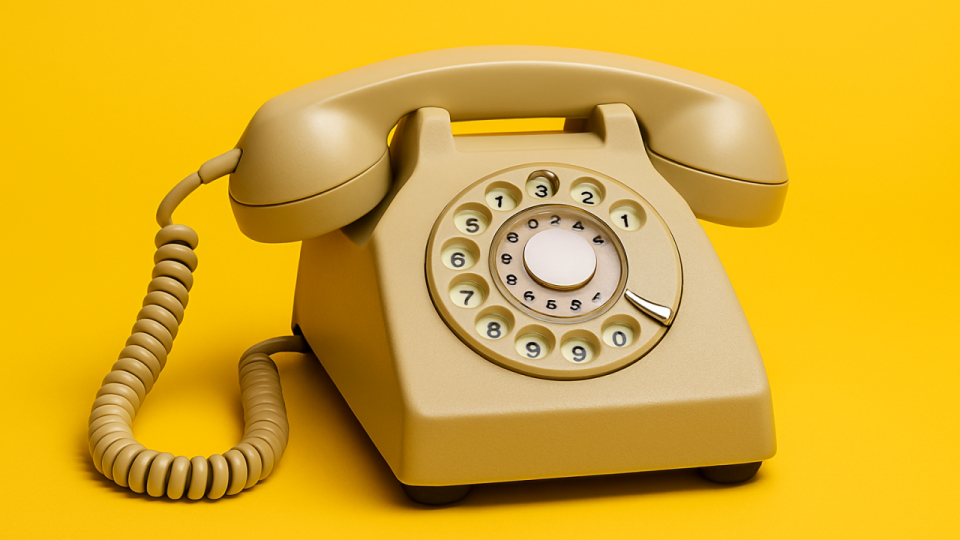
My son asked me a simple question:
“How did those old dial phones actually work?”
And here is the funny part – I remember the sound, the rhythm, the finger getting stuck on the number 9 🙂 but I can’t explain the mechanism.
Gone. Erased. Lost in history.
That question sent me back to my childhood.
When we spent summers in the countryside, calling Yerevan was a whole adventure.
We had to go down to the village center, stand in line and wait for our turn to make one intercity call to tell my grandparents that “everything is good”.
One call = full communication.
A precious, slow, patient moment.
Today, my life looks nothing like that.
Last week, out of curiosity, I tracked the number of messages I get in one hour.
50-70.
Yes, in one hour.
From all directions – LinkedIn, Instagram, WhatsApp, Telegram, Messenger. From people I know, people I kind of know and people I definitely do not remember meeting.
And then I paid my attention to phone calls. Almost disappeared, very rare ones per day.
Not because people do not reach out and do not want to connect – they simply prefer to message.
“How are you?”
“What’s new?”
“Can we meet for lunch?”
“When can you travel here?”
“Please send the training outline.”
“When is our coaching session?”
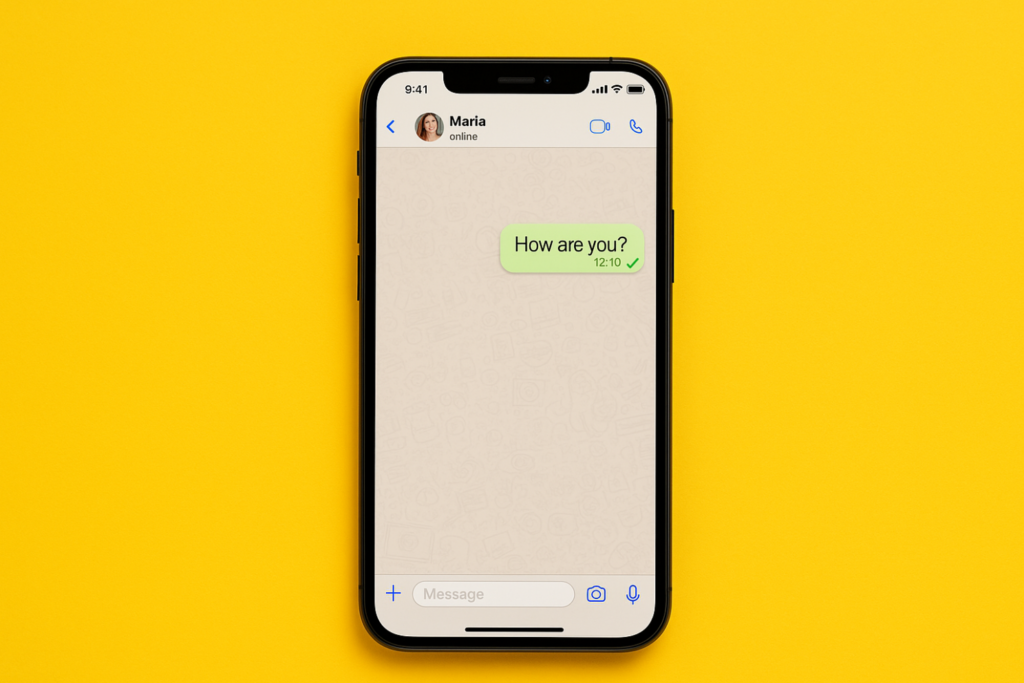
Emails still exist in large amounts, but even there a new pattern has appeared: People send a message first – “Just wrote you an email, please check”.
And honestly, it makes sense. Because messaging feels easier.
Everyone is busy and the chance of someone actually picking up your call has become… let’s say, optimistic.
But this shift says something bigger.
It is the clearest evidence of how dramatically our world has changed.
Our world didn’t just speed up, it multiplied its pace.
Dial phones belonged to a time when conversations were slower, and life was slower.
Now we pack ten times more communication into the same minute.
With dial phones, life moved in hours.
With smartphones, life moves in seconds.
And let us be honest:
We talk about efficiency, digitization, automation, but we do not really slow down.
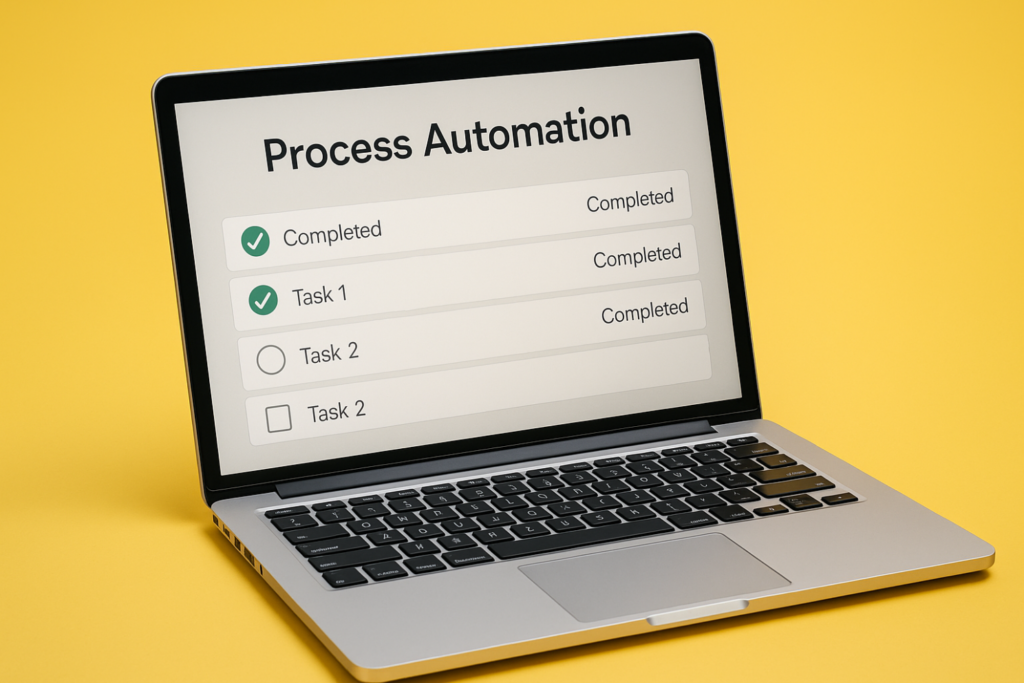
We just compress more and more into the same 24 hours.
It is not double the intensity compared to those dial-phone days, it is ten times more.
Where is all this heading? I honestly do not know.
But one thing is certain:
It is not slowing down, it is escalating.
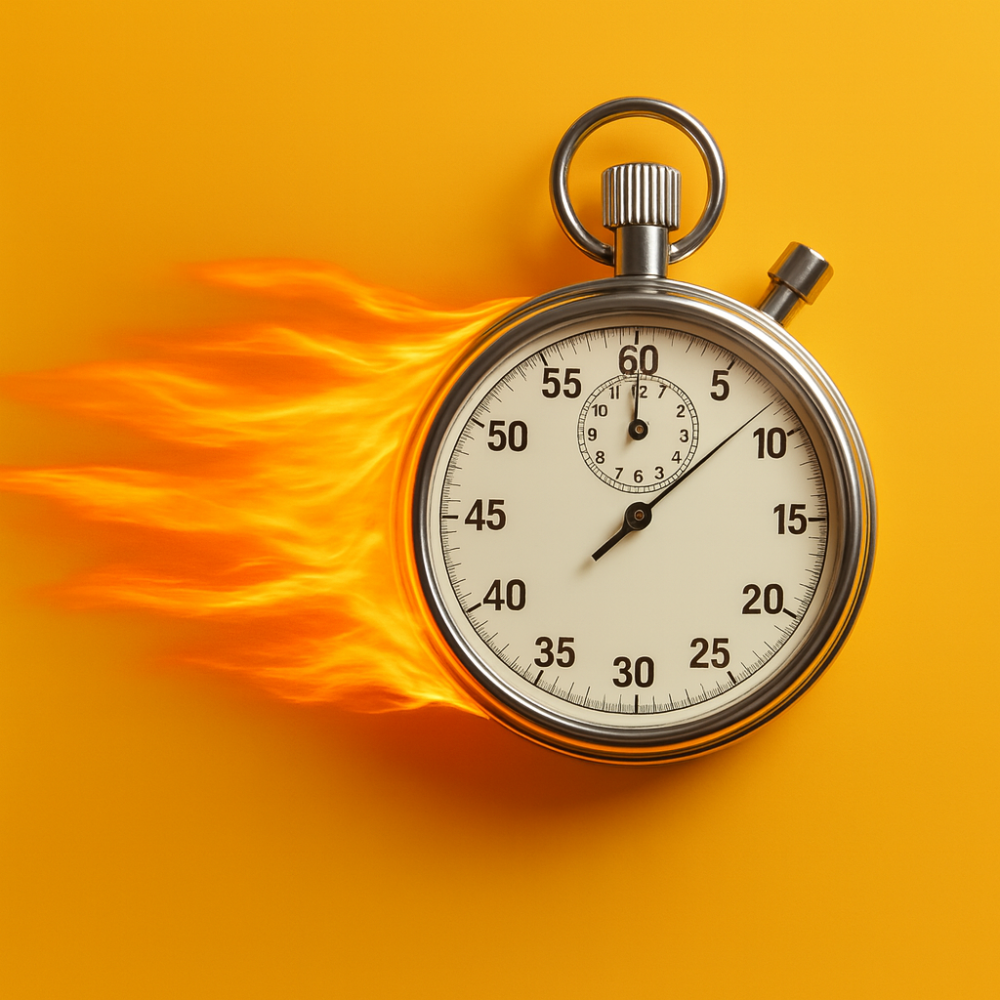
And maybe the question my son asked – “How did dial phones work?” was not about technology at all.Maybe it was a reminder that there was a time when communication required effort, patience, presence… and one single call was enough.
Who knows what our grandchildren will ask us about in the next decade?
